
When winter hits Cumming, your heating system shouldn’t leave you piling on blankets and crossing your fingers. If you’re dealing with heating in Cumming this winter, you know how quickly comfort can disappear when temperatures drop. Here in Forsyth County, we see unpredictable temperature dips, damp humidity, and sudden cold snaps that push older furnaces and heat pumps to their limits. We’re here to help you spot the signs that it’s time to stop repairing and start replacing.
Cheeky Heating, Cooling & Plumbing Blog: Posts Tagged ‘Heating’
Too Cold for Comfort: Signs It’s Time to Replace Your Heating System This Winter in Cumming
Monday, February 23rd, 2026Why Your Heating Bills Spike in January and What Cumming Homeowners Can Do About It
Monday, January 12th, 2026January has a way of sneaking up on your wallet. One minute you’re enjoying cozy nights at home, and the next you’re staring at a heating bill that makes your eyes pop. If you’re a North Georgia homeowner, you’re not imagining things: January is peak season for high energy use. And if you’re already thinking about heating repair in Cumming, you’re on the right track.
At Cheeky, we talk to Cumming homeowners every winter who ask the same question: Why is my heating bill so high, and what can I do about it? Let’s break it down and show you how to take control.
Out With the Old, In With the New: Replacing Your Furnace Before the New Year
Monday, December 8th, 2025Hey there, friend, it’s Cheeky! Before you dive into the holiday hustle, let’s talk comfort, savings, and staying toasty when winter hits hard. If you’ve been putting off that furnace replacement, now’s the time to act. After all, nobody wants to ring in the New Year wrapped in blankets and praying the heat kicks on. And speaking of warmth, let me slip in this helpful reminder: many homeowners trust us for dependable heating in Cumming, and you should too.
Thankful for Warmth: Heating Safety Tips for the Holidays
Monday, November 10th, 2025As Thanksgiving approaches here in our North Georgia community, many of us are getting ready for big family meals, overnight guests, and homes full of holiday cheer. Before things heat up in the kitchen, it’s smart to make sure the warmth in your home stays safe and reliable. When it comes to heating in Cumming, taking a proactive approach keeps our families comfortable and protected throughout the season.
Georgia Winters and Heat Pumps: Everything You Need to Know
Monday, February 17th, 2025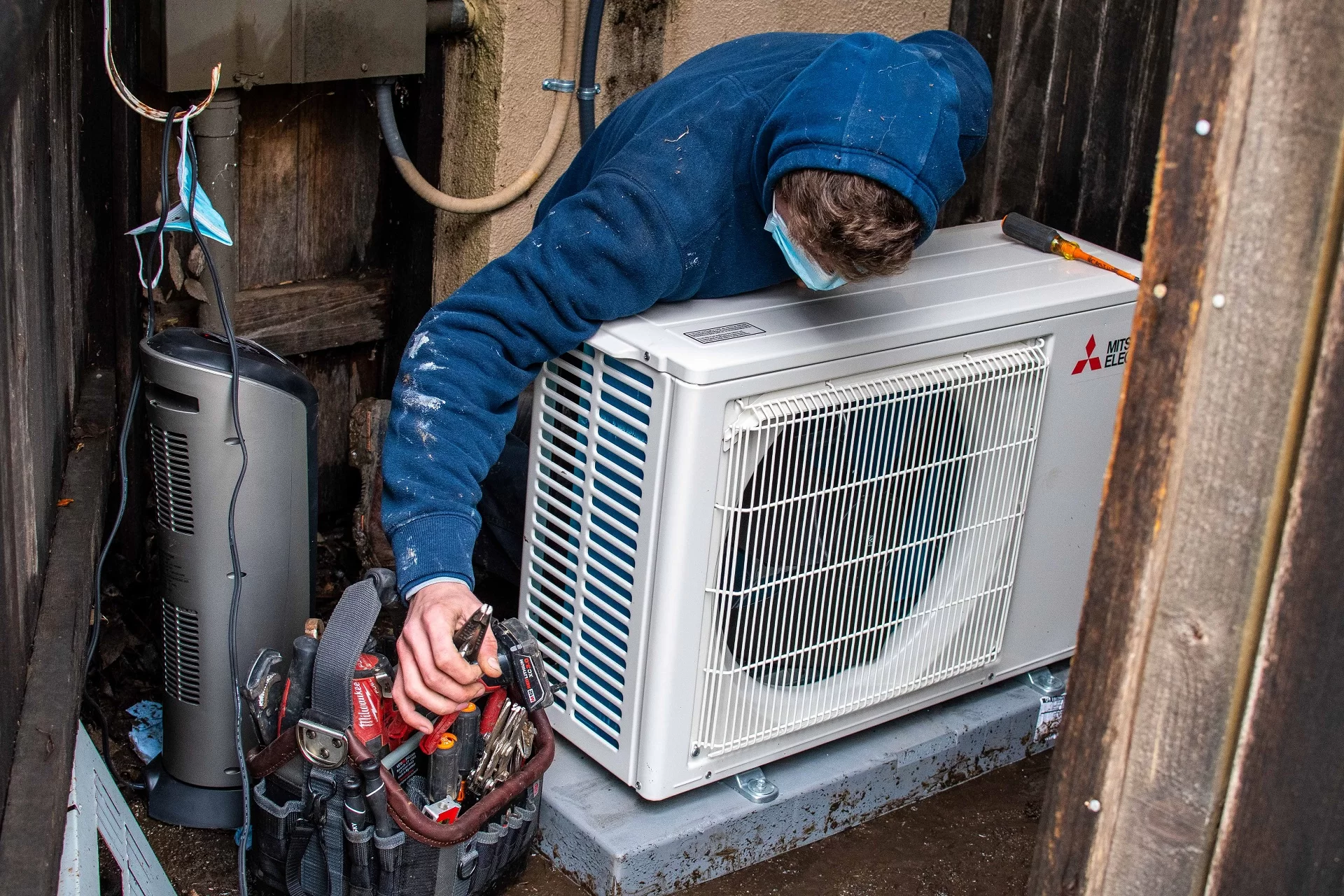
If you’ve lived in Georgia for a while, you know our winters aren’t exactly brutal. Sure, we get the occasional cold snap, but most of the time, we’re dealing with mild temperatures that don’t require cranking up a heavy-duty furnace.
That’s exactly why heat pumps are a fantastic option for keeping your home comfortable. Whether you’re considering switching or simply curious about how heat pumps work, here’s everything you need to know about how they work, why they’re a great fit for Georgia winters, and why they might just be the smartest investment for your home.
Gas Furnace Installation and Heat Exchangers: Key Facts | Cheeky HVAC
Monday, January 24th, 2022
Introduction to Gas Furnaces
When it comes to keeping your home warm and cozy, a natural gas furnace is one of the most popular and cost-effective heating systems out there. These furnaces work by drawing in natural gas from your municipal supply, igniting it in the combustion chamber, and using that heat to warm the air that circulates throughout your house. Not only does this process deliver reliable heat, but it also tends to be easier on your wallet when it comes to annual operating expenses, especially compared to oil or propane systems.
Natural gas furnaces are also a greener choice, producing fewer emissions than oil furnaces or propane alternatives. However, before you can enjoy the benefits of a gas furnace, your home needs to be connected to an existing natural gas line. The furnace cost, including installation, can vary quite a bit, depending on the size of your home, the efficiency rating of the unit you choose, and the local codes that govern installation in your area. Installation and maintenance options are available to fit any budget, ensuring affordability for all homeowners.
To keep your furnace running safely and efficiently, regular furnace maintenance is a must. This includes cleaning the combustion chamber, inspecting the flue pipe for blockages or corrosion, and making sure all components are in top shape. Modern gas furnace systems can be tailored to meet your specific comfort needs, providing personalized heating solutions for your home. With proper care, a gas furnace can provide years of dependable heat, making it a smart investment for homeowners looking to balance comfort, efficiency, and long-term savings. Customers benefit from ongoing support and reliable service, ensuring peace of mind throughout the life of their system. Our commitment to customer satisfaction means you can trust our team for professional installation and maintenance, guaranteeing a hassle-free experience. If you live in Des Moines, you can count on our expertise in serving Des Moines residents with quality HVAC service.
What does a gas furnace heat exchanger do, and why is regular maintenance essential?
A gas furnace heat exchanger safely transfers heat from combustion gases to your home’s air while keeping harmful gases contained. Over time, metal fatigue can cause tiny cracks that may leak carbon monoxide. Annual maintenance helps detect early damage, ensuring safe, efficient operation and avoiding expensive replacements.
Furnace Installation Process: What to Expect When You’re Installing
Thinking about upgrading to a new furnace? The furnace installation process is more than just swapping out your old unit for a shiny new one—it’s a detailed HVAC installation job that calls for specialized training and a keen eye for safety. HVAC installation requires specialized training and tools to ensure proper setup. That’s why it’s so important to work with a reputable HVAC company that knows the ins and outs of local codes and regulations. You can count on expert service provided by highly trained professionals who are certified and experienced in handling all aspects of HVAC service.
Here’s what you can expect: First, your HVAC technician will assess your current heating system, including the existing furnace, ductwork, and even your air conditioner, to make sure everything is compatible. The installation is performed by highly trained professionals to ensure quality and safety. Before any work begins, it is important to turn off electrical breakers and gas supply lines to ensure safety. Next comes the careful removal of your old furnace, which involves disconnecting gas lines, electrical wiring, and the ductwork system. Once the old furnace is out, the new furnace is installed, with precise connections to the gas supply, electrical system, and ductwork to ensure everything runs smoothly.
Your technician will also install a new thermostat and thoroughly test the system to confirm it’s heating your home efficiently and safely. The installer should provide a walkthrough of new equipment and how to perform basic maintenance after installation. Before they leave, you’ll get expert advice on furnace maintenance, like how to replace the furnace filter and when to schedule service checks, to help prevent heating problems and keep those energy bills in check.
By understanding the furnace installation process, you’ll see why hiring a qualified HVAC pro is so important. Not only does professional installation help you avoid costly mistakes, but it also ensures your new furnace operates at peak efficiency, giving you reliable heat and lower energy bills for years to come.
What You Should Know About Your Gas Furnace Heat Exchanger
If you’re like many homeowners in the Dunwoody area, you likely have a gas-powered furnace in your home to keep yourself and your family warm throughout the house. There are several types of heating systems available for residential use, and gas furnaces are among the most popular. The forced air furnace is the most common type of gas furnace found in homes, known for its reliable performance, but it’s important to consider both installation and maintenance costs when choosing this heating system. The average furnace replacement cost can range between $3,800 and $10,000. Furnaces are a great heating choice, as they are powerful and very cost-effective. With proper upkeep, knowing when to repair or replace your heating system can help ensure long-term performance and efficiency.
Today’s furnaces even have a higher efficiency rating than just a short decade ago. In fact, the highest AFUE (annual fuel utilization efficiency) rating for a natural gas furnace is 98%. Newer furnace models typically achieve higher annual fuel utilization efficiency (AFUE) ratings than older models. Trust us, that’s efficient! Optimizing furnace performance is even more effective when combined with upgrades like professional air sealing services, which prevent heated air from escaping your home. If you’re considering an upgrade, investing in a new HVAC system can provide improved energy efficiency, enhanced comfort, and potential cost savings over time.
In addition to high efficiency, you want to know you can rely on safety when it comes to your heating system, right? Gas furnaces certainly are not dangerous by nature. However, if you don’t take care of your furnace as you should, then it can certainly become dangerous, something a home energy audit can reveal before it becomes a costly or hazardous issue.
The most common culprit of a dangerous furnace, especially an older one, is a cracked heat exchanger. For a deeper understanding of why this issue is so critical, check out furnace repair needs and the danger of a cracked heat exchanger. Even if you don’t have an obvious problem with your furnace’s heat exchanger right now, if your system is 15+ years old, it’s time to start considering an upgrade. Newer models offer improved efficiency and safety features compared to an old furnace. An important factor to consider when upgrading is the efficiency and reliability of the new system.
Our team offers comprehensive HVAC solutions for both residential and business customers, ensuring that every client receives reliable service tailored to their specific needs.
Read on to learn more!
Tips for Boosting Heating Efficiency
Monday, December 27th, 2021
Heating in Woodstock, GA is a necessity for winter. Especially when the temperature drops to an average of 35°F during the month of January. This doesn’t mean you want to pay an arm and a leg to keep your home cozy.
There are some simple tips you can do to boost the efficiency of your heating system. This will help keep your bills lower through the chilly months.
Watch for These Signs of Heater Problems
Monday, January 27th, 2020
Wouldn’t it be nice if there was a heating system that never experienced problems? Unfortunately, this will never be the case. Let’s face it, natural wear and tear is always going to be a factor, and eventually, you will need heater repairs.
That doesn’t mean, however, that you can’t take steps to mitigate how severe these repair needs will be! Scheduling maintenance, for instance, is the #1 way to avoid heater emergencies. It also increases the lifespan of your heating equipment and helps the system work more efficiently. Our techs are able to fully inspect your system during maintenance, so we can alert you to small repair needs before they grow bigger.
What if you need repairs between maintenance sessions, though? Is there any way for you to know? Yes! Watch and listen for the following signs, and if you notice them, give our team a call.
5 Tips to Extend the Life of Your HVAC System (& 1 Tip on When to Replace It)
Friday, November 22nd, 2019Your home’s HVAC (Heating, Ventilation and Air Conditioning) system runs ‘round the clock, 24/7, all year long. You can’t expect it to last forever, but you can expect your furnace to last for about several years, depending on the model, you may get 15-20 years out of your furnace and 10-15 years out of your air conditioner. It’s a big investment to replace your furnace or air conditioner, so when the time comes, be sure to choose the right AC unit that fits your budget and cooling needs. Opting for an energy-efficient HVAC system with a high SEER rating, with a minimum of 15 SEER required in the southern U.S., can help lower your energy bills significantly. We have five tips for homeowners to extend the life of your HVAC system and cooling system. For more details on how long you can expect your furnace to last, read our guide.
1. Schedule two HVAC tune-ups per year
Contact a home services company to give your furnace a tune-up in the fall and your air conditioner a tune-up in the spring. This preventative maintenance usually includes a thorough inspection, cleaning, lubrication, and any necessary adjustments. Regular annual tune ups improve system efficiency and extend equipment life. (Save $20 on a Tune Up)
2. Change the air filter regularly
Disposable fiberglass filters should be replaced every 30 days, but check your filter and furnace manual to see how often you should be replacing the filter. A dirty filter forces your HVAC system to work harder to circulate air, causing extra wear on the system and higher energy bills. Regularly changing your air filter not only extends your system’s lifespan but also helps lower your monthly energy bills.
3. Clean your ducts
Be sure to keep the return air vents clean and prevent the build-up of dust and debris. You might also want to have your ducts professionally cleaned so that your system delivers the cleanest air possible. Maintaining your ductwork is essential for system efficiency and improving indoor air quality throughout your house. Additionally, ductwork quality should be evaluated to identify leaks and ensure proper sizing and insulation for optimal HVAC efficiency.
4. Give the HVAC system a break sometimes
Does your HVAC system really need to be running almost 24/7? Can you give it a break when you’re on vacation? On a cool evening, could you open the windows and give the AC the night off? You’ll be saving energy and giving the system a break, which reduces wear and tear on compressors and other components.
5. Upgrade your insulation
The better your home is insulated, the less your HVAC system will need to run to maintain the temperature. The first place to check for sufficient insulation is your attic. Proper insulation also helps control humidity and temperature throughout the house, making your cooling system more effective during hot and cold seasons.
When to Replace Your HVAC System
Even if you follow these tips and take good care of your HVAC system, eventually it will need to be replaced. Homeowners in Des Moines should consider local climate factors, such as hot summers and high humidity, when deciding on a new cooling system. If you’re approaching the projected end of life for the unit, replacing it with a new HVAC system is a cost-effective choice because you will be saving money with the new, more energy-efficient replacement. Replacing a central AC unit that’s more than 10 years old could save you 20% – 40% on cooling costs. But if you want to prolong the system as long as possible, contract with a reliable home services company for your annual tune-ups and then ask the experienced HVAC technicians for their input on when to replace. They can help determine if furnace repair, heat pump services, or a full replacement is needed for your project. If you’re unsure, here are signs your furnace may need repair or even replacement. Be honest with them about the maintenance you’ve carried out on the unit, even if that means confessing that sometimes you didn’t replace the air filter for a season or two. Hopefully, you can build trust with the HVAC team to get the best advice on when to replace your furnace or air conditioner.
Summary
Take good care of your HVAC system and it may last longer than the average lifespan, but also know when to replace it before it becomes unreliable or so inefficient that it’s costly to keep running. Professional indoor air quality services and regular maintenance of your cooling system, compressors, and ductwork can extend system life and improve comfort in your house. Research federal, state, and local tax credits or rebates for installing energy-efficient HVAC equipment. If your system is already struggling, find out what to replace it with for optimal performance and efficiency. Don’t hesitate to request a quote or consultation for your next heating and air conditioning installation project or job, and remember that a professional installation by experienced technicians is key for the best results.
Common Issues That Can Shorten Your HVAC System’s Lifespan
While regular maintenance is key to keeping your HVAC system running efficiently, several common issues can dramatically reduce its lifespan and lead to unexpected air conditioning replacement or costly repairs. One of the biggest culprits is poor system efficiency, often caused by neglecting essential maintenance tasks like annual tune-ups or timely filter changes. When your air conditioner or heating system has to work harder due to clogged filters or dirty components, it not only drives up your energy bills but also puts unnecessary strain on the equipment, increasing the risk of breakdowns and expensive repairs.
Another major factor is improper installation. If your AC installation wasn’t handled by experienced HVAC technicians, you could be facing a host of problems, from reduced system efficiency to frequent malfunctions. Professional installation ensures your air conditioning or heating system is correctly sized and set up to meet your home’s unique cooling needs, which is especially important in central Iowa’s ever-changing climate. An incorrectly sized or poorly installed system can lead to uneven temperatures, higher energy costs, and a much shorter system lifespan.
It’s also important not to ignore warning signs from your HVAC system. Strange odors, unusual noises, or warm air blowing from your vents can all indicate underlying issues that, if left unchecked, can cause serious damage. Prompt air conditioning repair by qualified professionals can help fix these problems early, protecting your investment and maintaining high indoor air quality.
Outdated or old equipment is another common issue. Older air conditioners and heating systems are typically less energy efficient and more prone to frequent repairs. Upgrading to a new HVAC system with modern, energy-efficient technology can be a cost-effective solution, especially when you take advantage of financing options and labor warranties offered by reputable service providers. Not only will you enjoy lower energy bills, but you’ll also benefit from improved comfort and reliability.
In central Iowa, where heating and cooling systems work hard year-round, it’s crucial to choose services that offer annual tune-ups, experienced technicians, and comprehensive maintenance plans. Whether you’re a homeowner or a business owner, investing in regular checks and professional care can help you avoid premature system failure, extend the life of your equipment, and ensure your home stays comfortable no matter the season.
By staying proactive and addressing these common issues, you’ll save money on repairs and replacements while enjoying better air quality, greater system efficiency, and peace of mind knowing your HVAC system is running at its best. If you notice anything unusual or think your system isn’t running efficiently, don’t hesitate to contact a trusted HVAC team for a thorough inspection and expert advice tailored to your needs.
Don’t Let These Heating Noises Haunt You
Monday, October 21st, 2019
It’s Halloween season—you’re in your home and you hear a strange rattling, or perhaps a shrieking noise. It’s not quite trick-or-treating time so you can’t blame it on little kids at your doorstep. Could it be that your house is haunted?!
Okay, probably not. Is your heater on? That’s likely a more realistic explanation for the sounds you’re hearing.
But just because it’s a more reasonable explanation doesn’t mean it’s an acceptable explanation. Your heater shouldn’t be making strange or unfamiliar sounds, and if it is it definitely means something is amiss and needs repair. So what sounds, exactly, should you listen for? Read on!

